


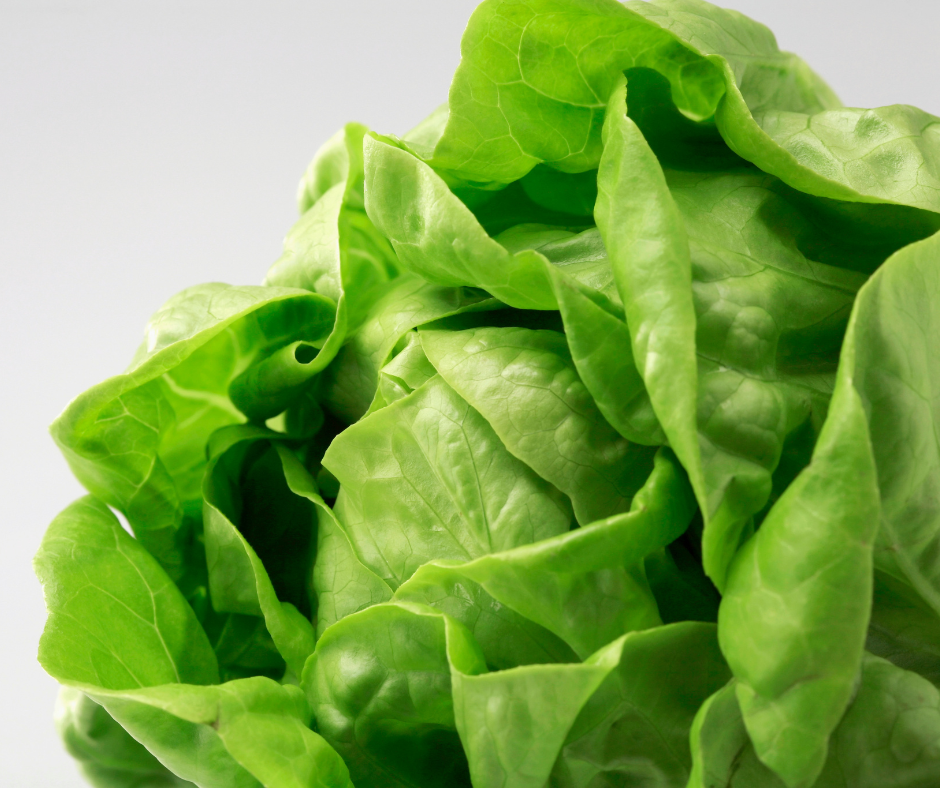
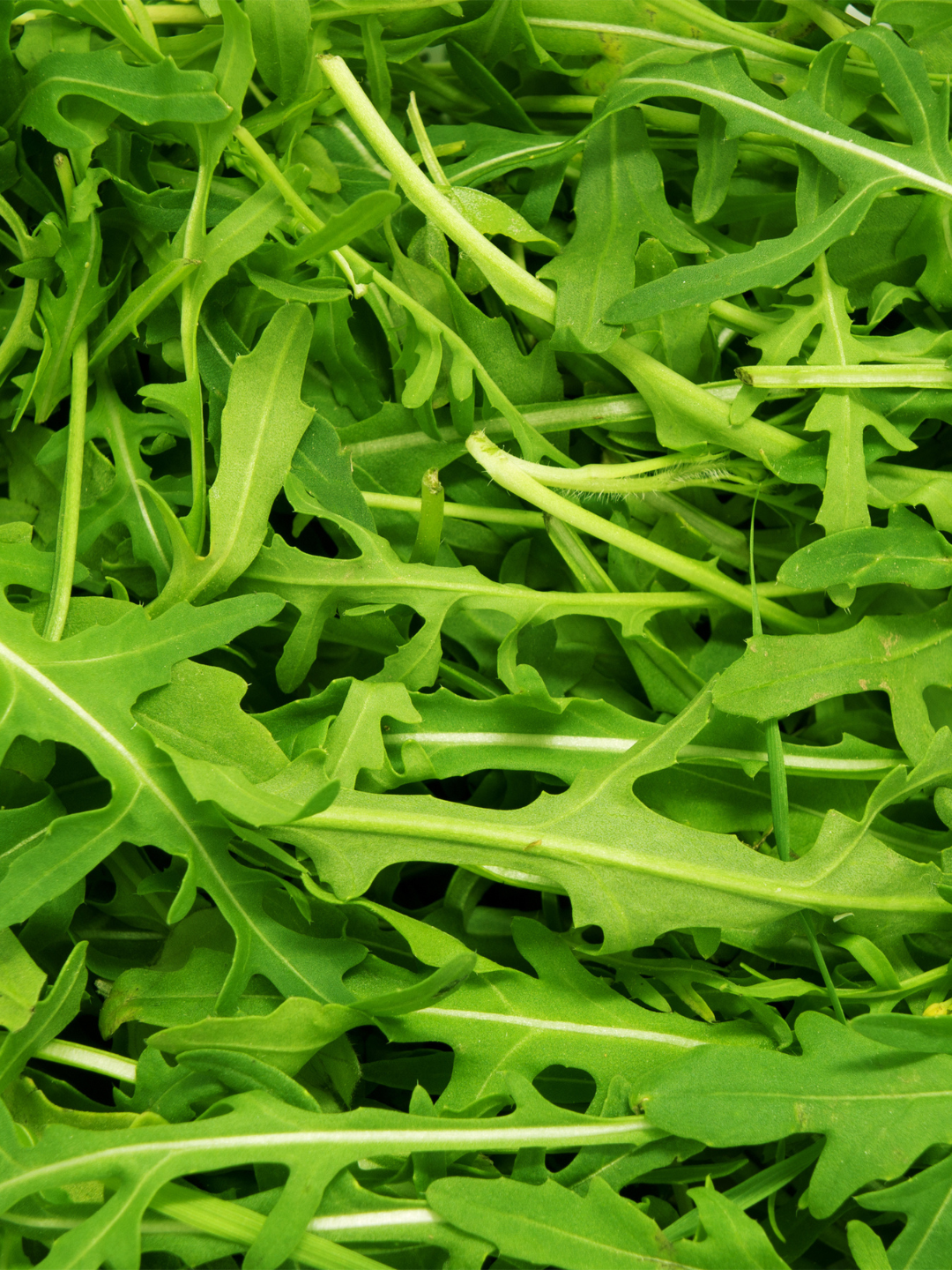
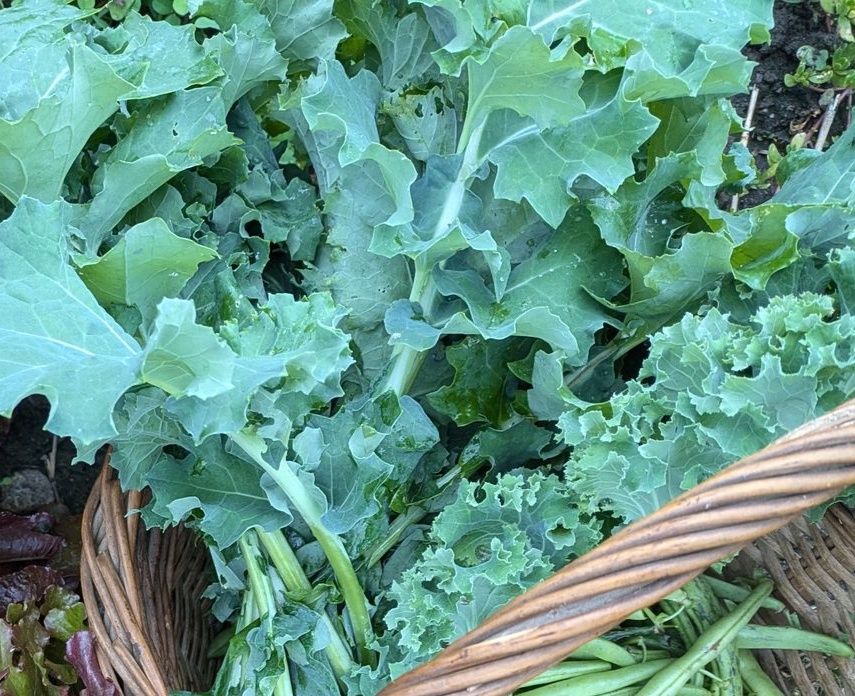
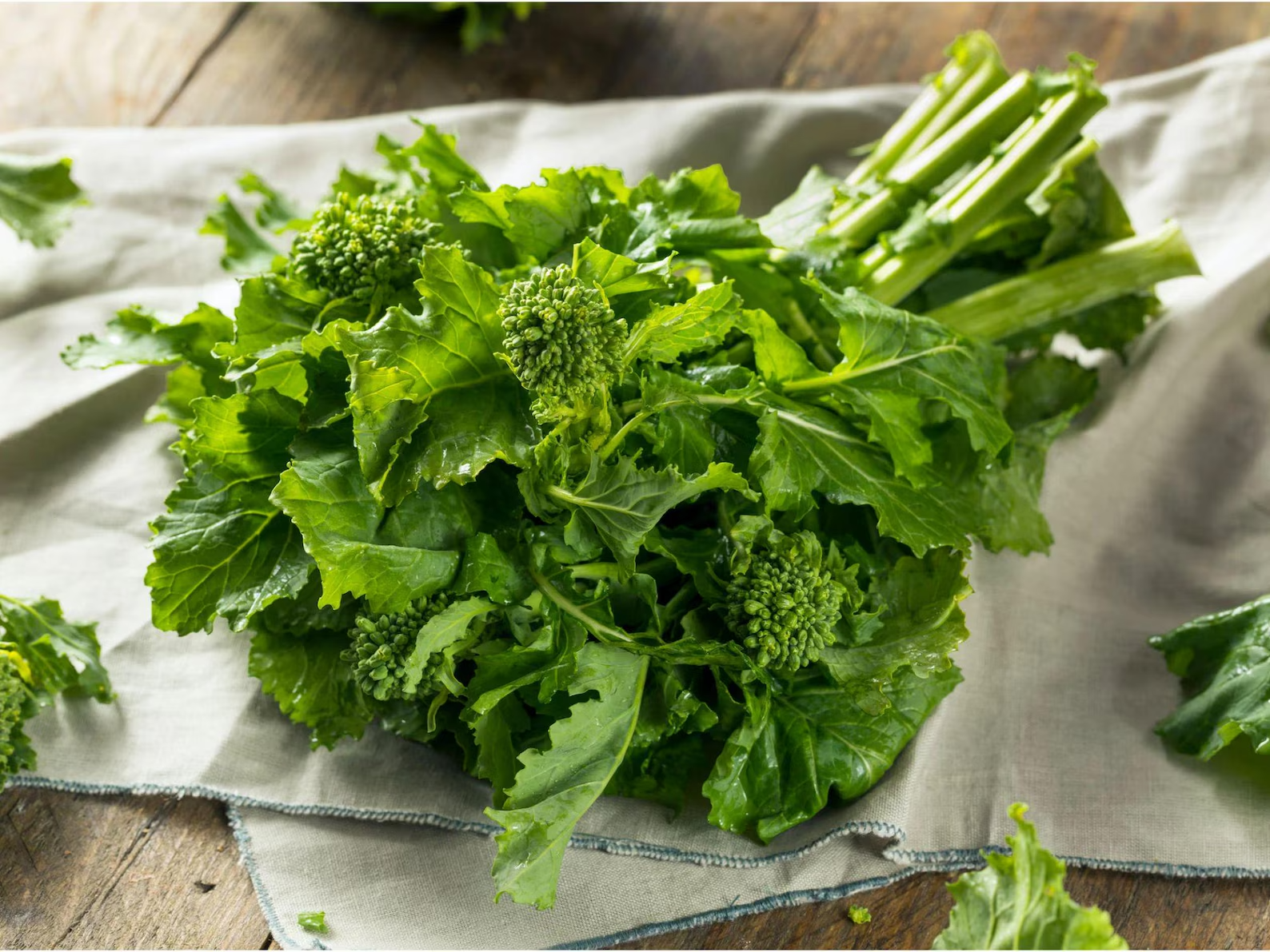




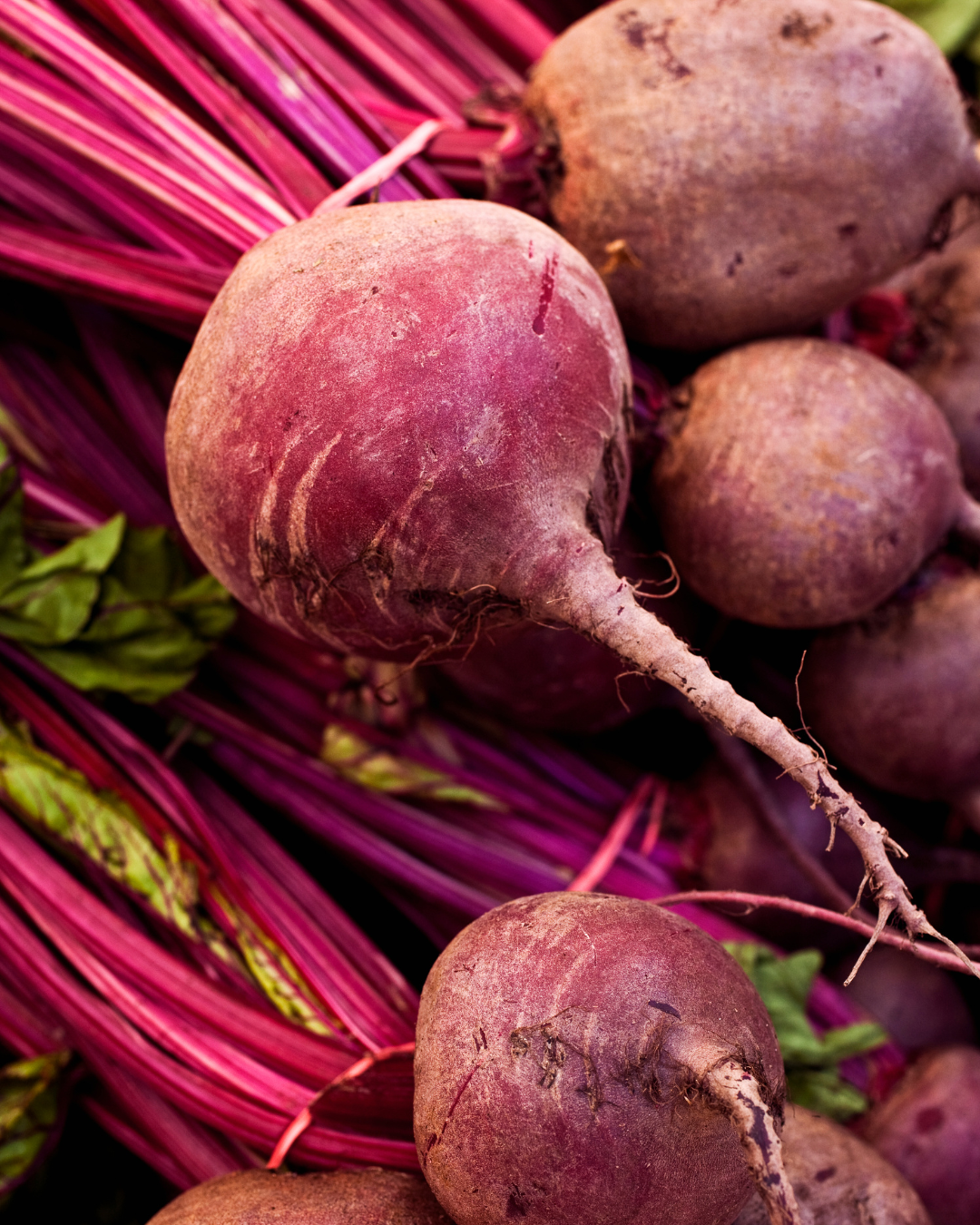

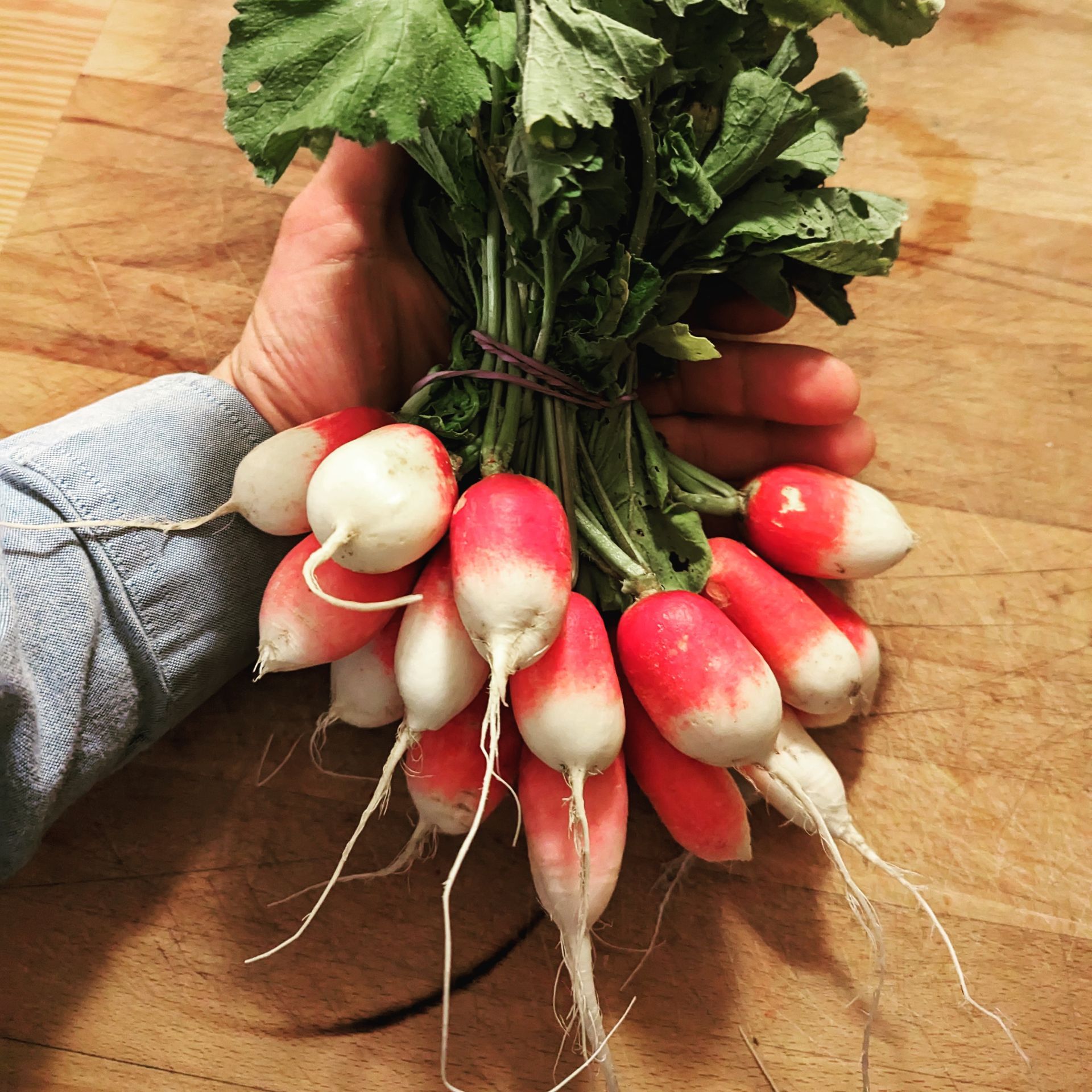



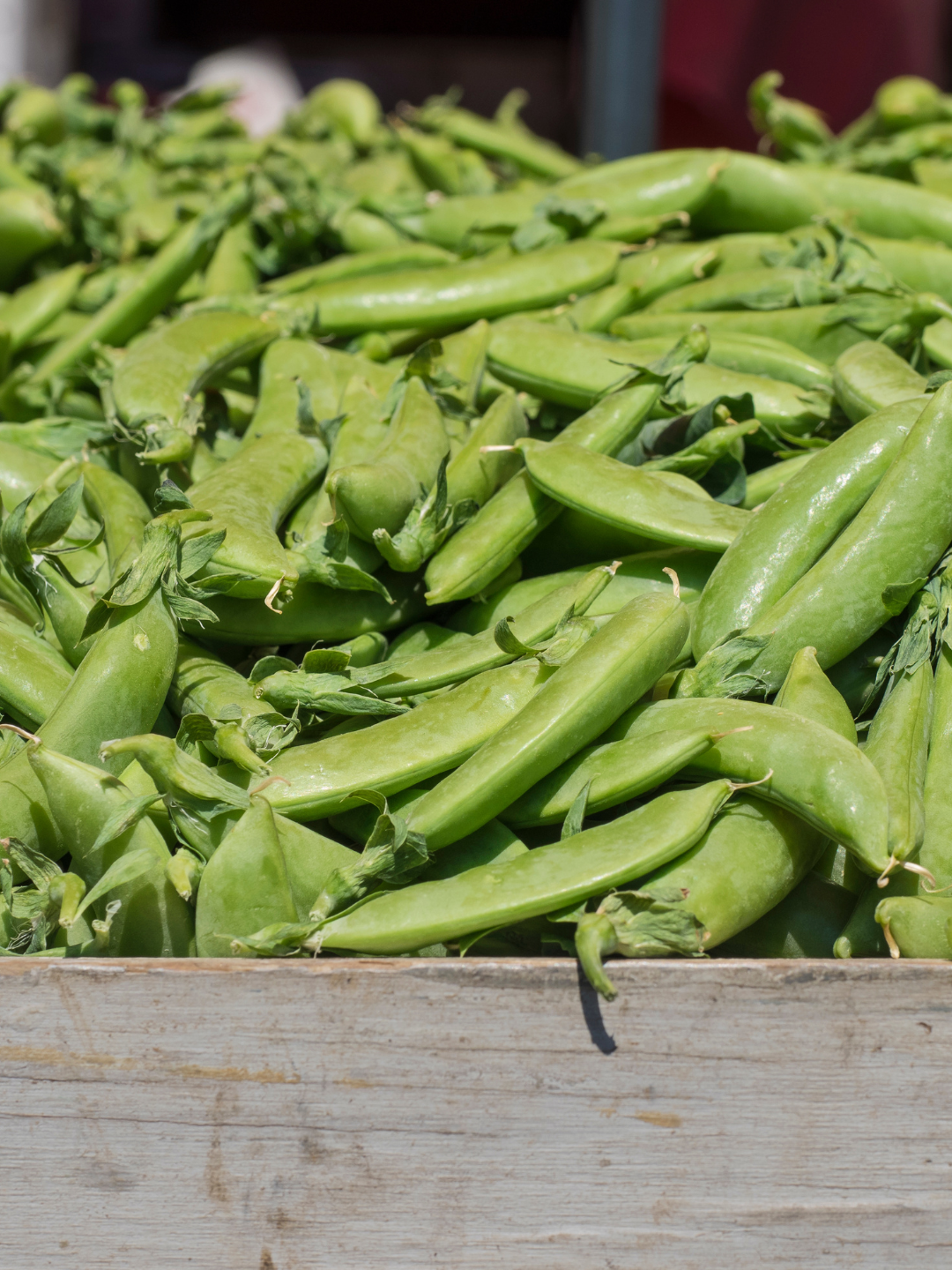

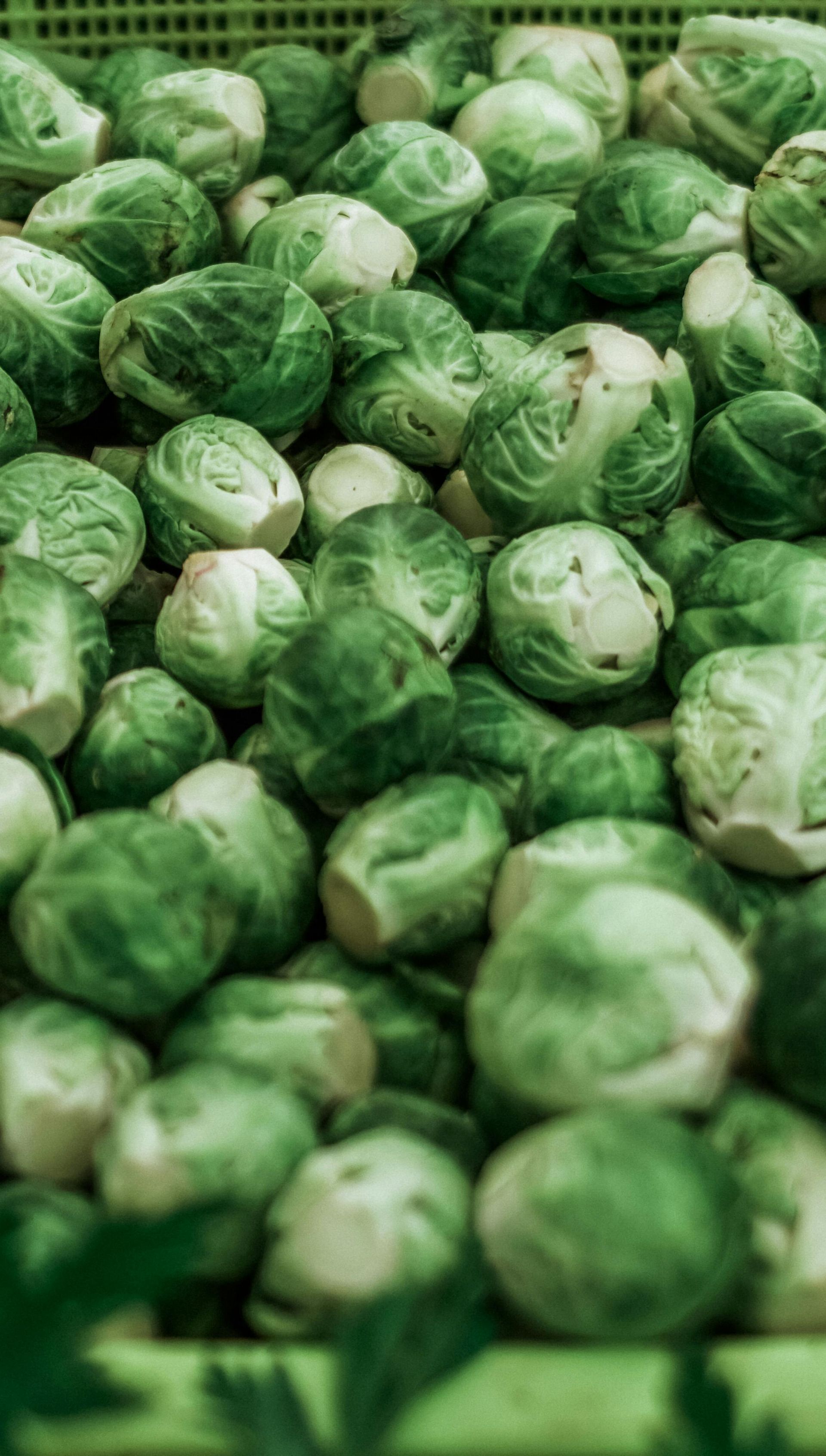



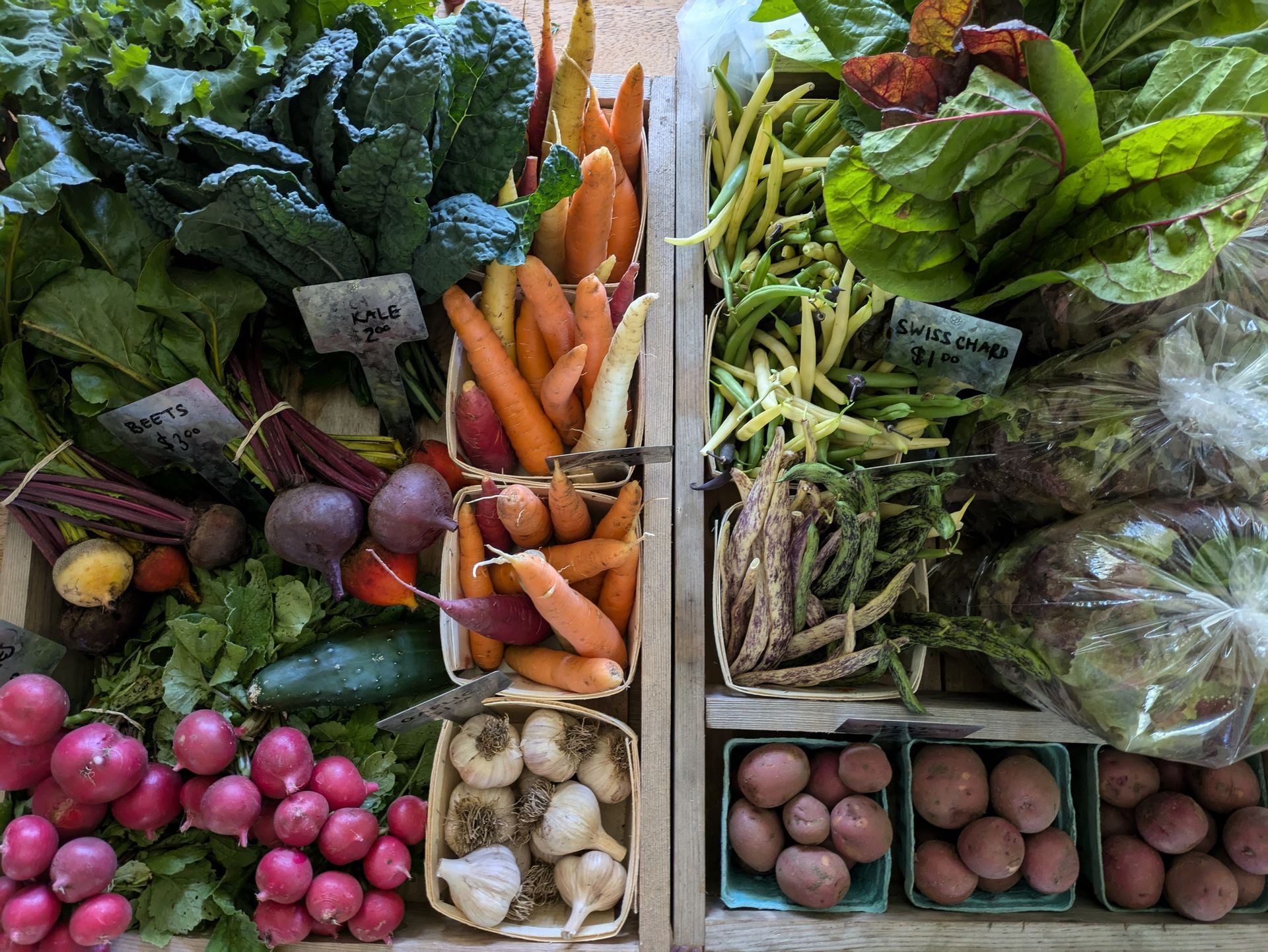

Peacham Greens produce stand with vegetables and sign.

The Farmstand

Open at the farm and online anytime. Browse what’s in season and order for on-farm pickup. Free local delivery is available in Peacham, Barnet, and Danville for customers with mobility or accessibility needs.


Check out our Kitchen Garden for recipes, tips for growing, and more.

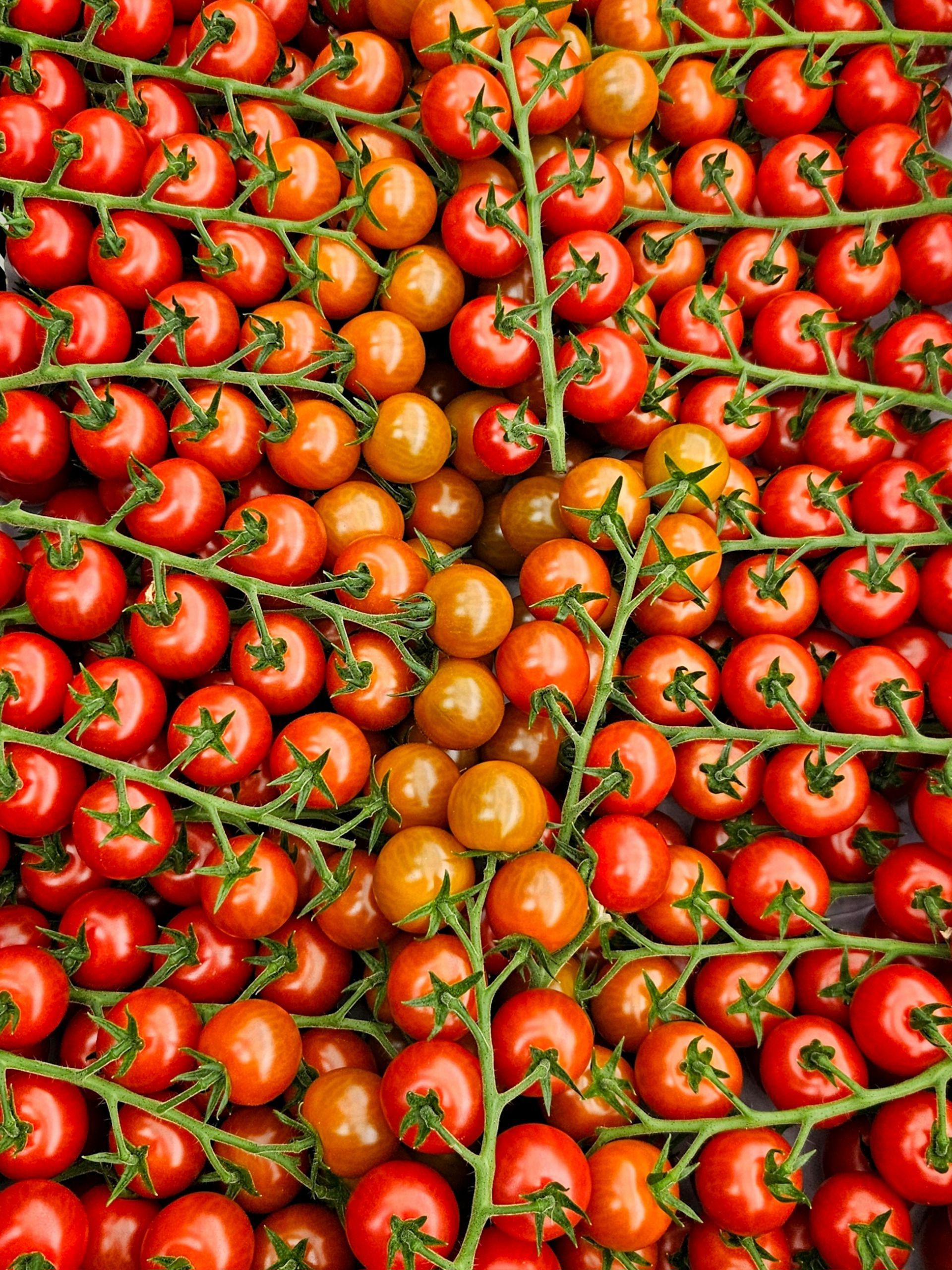
Top view of a tomato, showing the star-shaped stem and textured skin.

CSA

(Community Supported Agriculture)

Our CSA programs connect you to our offerings through the growing season and beyond.

The Kitchen Garden

Explore our collection of delicious recipes, insightful growing guides, and tips for making the most of your fresh produce.

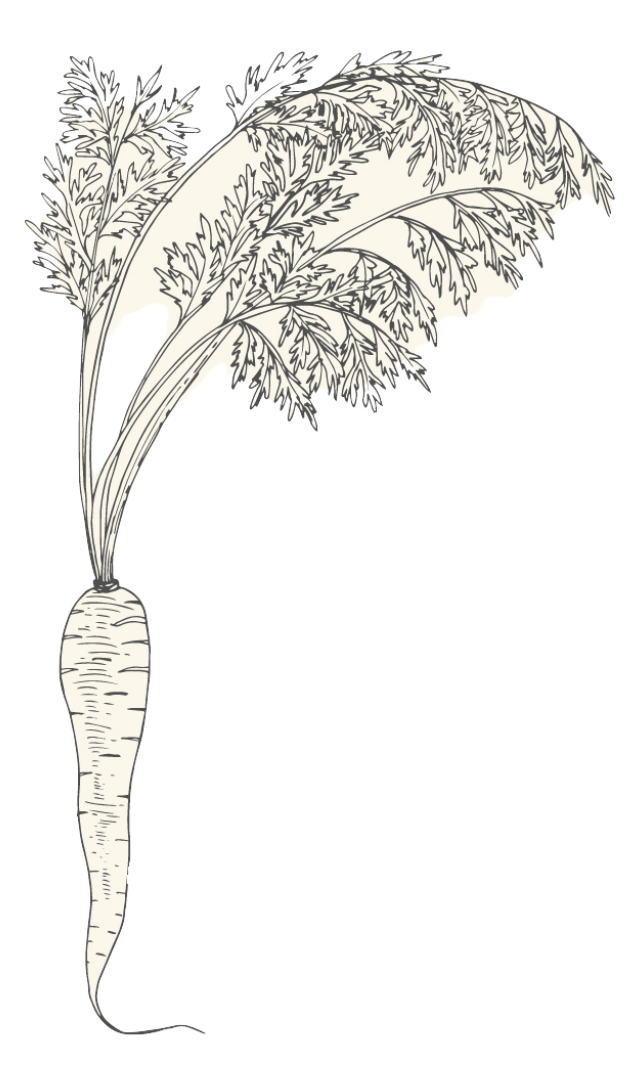
A parsnip plant, drawn in fine lines, with a white, tapered root and feathery green leaves.
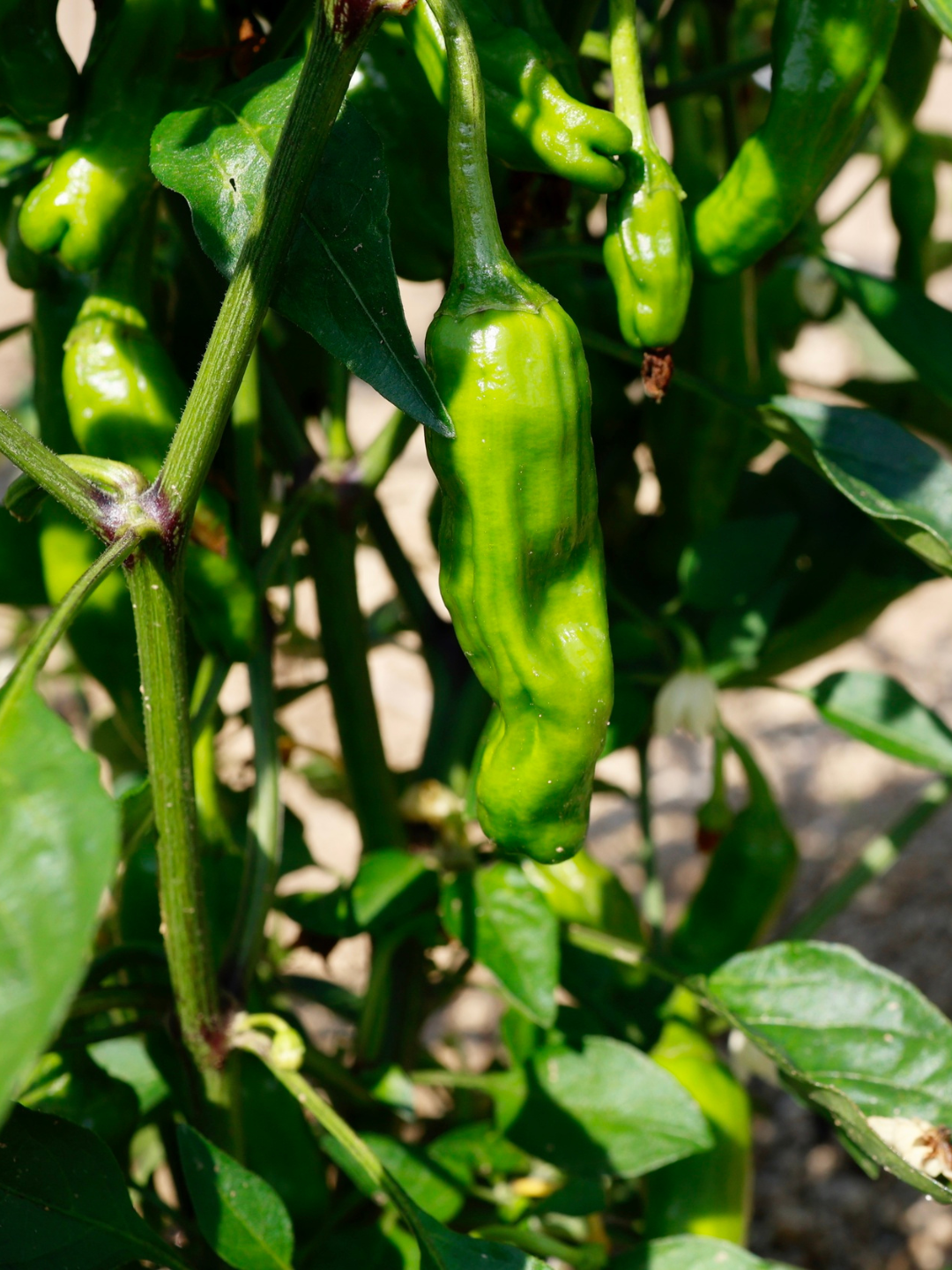
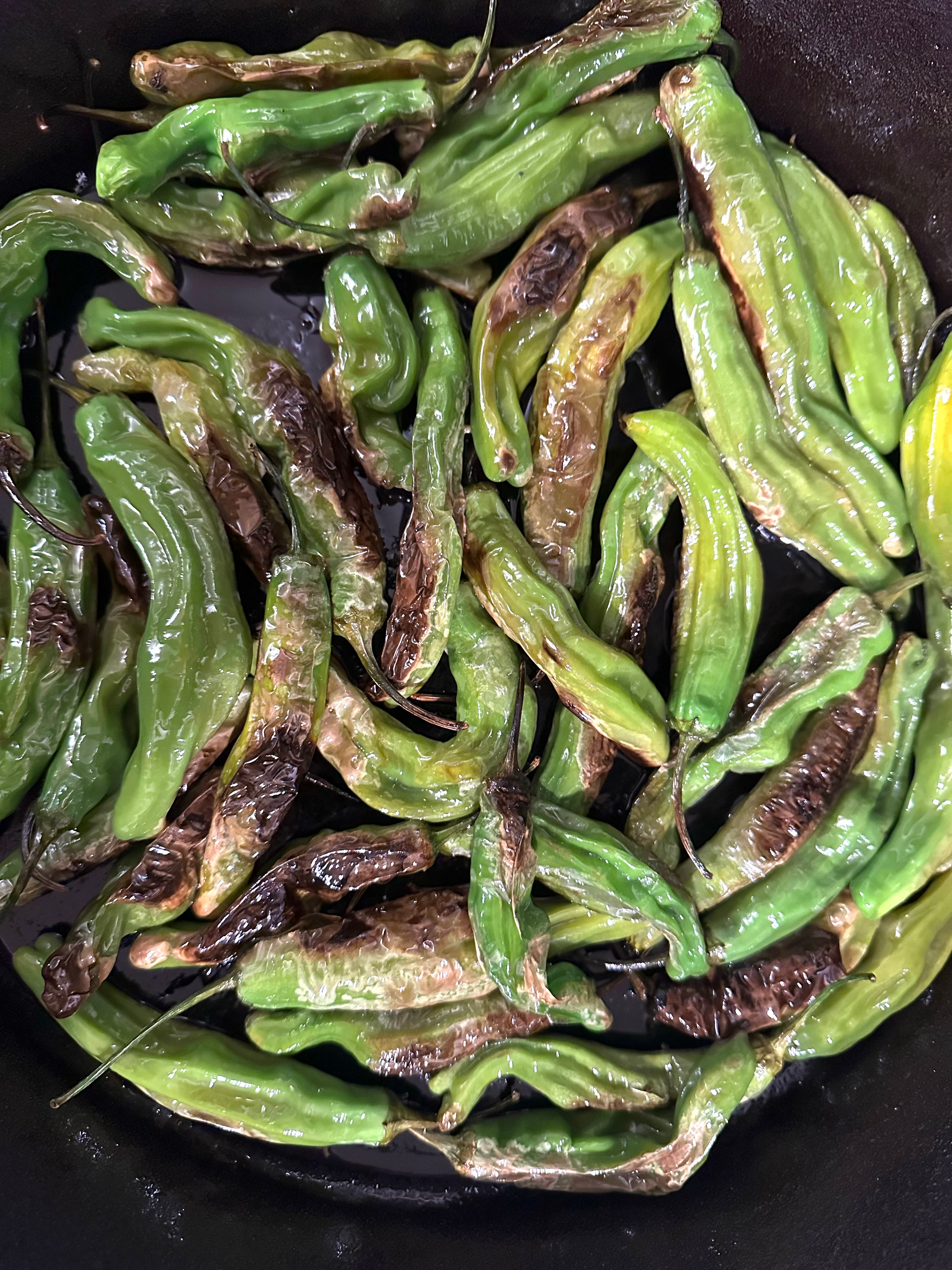
Sautéed green shishito peppers in a dark pan, some blistered and charred.
February 3, 2026
This one comes straight from Ace—our neighbor, resident photographer, and in-house LCD Soundsystem expert. This recipe works on your stovetop, on the grill, or around a campfire. No frills. Just heat, peppers, oil and salt. NB: About 1 in 4 shishitos has a little kick. The rest are sweet and mild. Pepper roulette. Ingredients: A bunch of shishitos peppers. 1–1½ tablespoons avocado or grapeseed oil (If you’re watching carefully and feeling brave, olive oil is fine too—just don’t walk away.) Flaky sea salt or kosher salt On Cast-Iron Pan/Skillet Dry ’Em, Oil ’Em: Rinse your shishitos, then dry them really well. Toss with about 1–1½ tablespoons oil—just enough to give them a light shine. No salt yet. Salt comes later. Get That Pan Angry: Put your cast-iron pan on high heat and let it go for 2–3 minutes. You want it hot. Drop the Peppers Throw in your shishitos in a single layer. Don’t crowd them. Hands off for about 60–90 seconds. Let them sit. Let them blister and char. When you see big black bubbles? Flip or toss. Repeat. Keep turning every 30–60 seconds until most sides are blistered and charred. Total cook time: about 4–6 minutes. Salt Them Pull them off the heat, pile them up, salt immediately and serve.

Arugula salad with sliced pears, blue cheese, and walnuts.
February 3, 2026
Dressing  2 tbsp chopped shallot 1 garlic clove, chopped 1/4 cup olive oil 2 tbsp maple syrup 2 tbsp white wine vinegar 1 tbsp fresh lemon juice 1/2 tsp fine sea salt Salad 5 oz washed arugula greens 1/3 cup thinly sliced red onion 2 pears, cored and sliced into 1/4" half-moons 1/3 cup toasted pecans 3 oz blue cheese, crumbled (we love Jasper Hill Bayley Hazen Blue) 1/2 cup mixed microgreens Freshly ground pepper, to taste
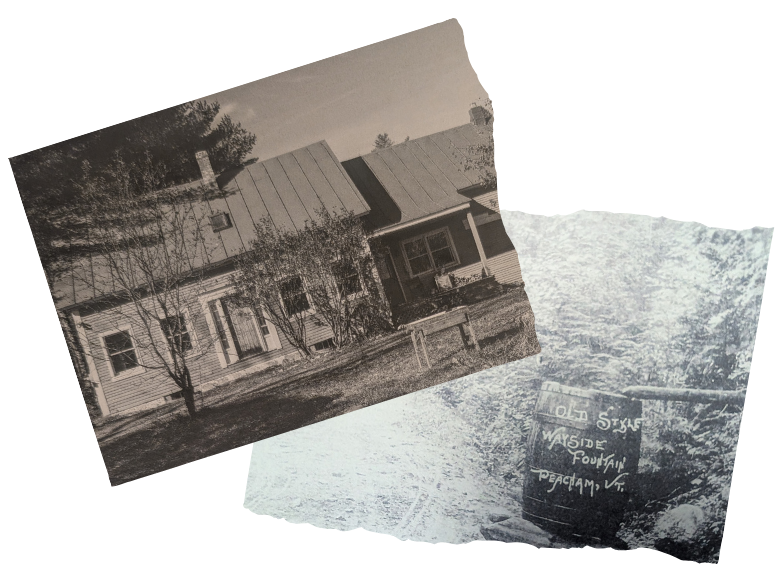
Black and white photos of a house and a handwritten sign. House has a sloping roof, the sign may advertise a business.

FAQ

  • Is your produce organic?

    Yes. We grow using organic methods and beyond-organic practices that prioritize healthy soil, biodiversity, and ecological balance. We do not use synthetic fertilizers, herbicides, or pesticides. While we are not currently certified organic, our farm follows organic standards and is participating in the USDA Transition to Organic Partnership Program (TOPP) as we refine our systems toward possible future certification. We also incorporate biodynamic-inspired practices such as planting with lunar rhythms, building on-farm fertility through compost and cover crops, and managing the farm as a whole living ecosystem. Organic certification is important, but as a small farm we are working toward it thoughtfully so we can keep food affordable and avoid passing certification costs on to our customers.


  • What is the 19th-Century history of the Ethan N. Miner Farmstead?

    Peacham land records show a series of land transactions starting in 1826, when Josiah Shedd bought the 20 acres that became a part of this property. The first record of buildings is in the 1851 deed from John Eastman and wife to Hiram Richardson. The deed references a graft orchard and gives Dr. Josiah Shedd the privilege of gathering one-half of the apples as long as he and his wife live in Peacham. In 1856, Hiram sold the property to Ira Winter, who then sold the property in 1861 to Levi Winter. The 1862 Grand List shows Levi Winter owned one horse, two cows, and eight sheep. The next year he sold the 20 acres to Andrew Copeland. The property was next acquired by James R. Kinerson in 1866, and he sold it in 1871 to Ethan N. Miner. Ethan, the oldest son of Rufus and Electa Skeel Miner, was born in Peacham in 1822. He attended Peacham Academy. He married Huldah Huckins in 1847. At age 41, in January 1864, he enlisted in the Union Army and served until March 1866. He was a farmer (put about the farmers link navigation on farmer in this sentence) and lived in the house with his wife and youngest children for over two decades until his health declined. In 1894, he sold the property to Cora Green. Ethan died in December 1895 and is buried in Peacham Cemetery.


    Source: Historical Homes of Peacham, Peacham Historical Society. For more information about the Society, visit https://www.peachamhistorical.org.

  • What is your farm philosophy?

    We work by the old rhythm. We do not fight the soil. We speak with it, slowly, under the moon’s pull, in the grammar of weather and the handed-down wisdom that outlives tools. In that quiet talk between hand, heart, and earth, a different abundance appears.  It's less the bounty of conquest than the yield of attention. 


    There are many ways to farm, and each has its place. Some farmers harness horsepower and measure days in acres and tons - a skilled, modern craft that feeds millions and keeps grocery shelves full. Others begin with listening - a hoe, a fork, a seed, an ear tuned to where the first light hits the ridge and where water pools after rain. One leans on power and scale. The other is developing patience and intimacy. Both are needed. Both can be honorable. Even those of us who prefer working by hand often borrow steel and diesel for a season or a task - useful allies, not betrayals - until the work finds its own balance again.


    The hand remembers what the world forgets. The land is a partner, not a factory. Noise is not progress.  A seed planted by hand carries a trace of the warmth that placed it. Call that sentiment if you like. We call it memory, the kind the body keeps when the mind runs ahead, the residue of care left in the work. It does not need proving by particles.  It is proven in flavor, in fertility, in faith.


    Our lineage is older than we are. Cincinnatus laid down his command and took up the plow, knowing liberty grows best in a furrow. Horace withdrew to his Sabine hills and found that philosophy has a country kitchen. Cato filled his prose with chores and virtues, showing that character is a crop. The line winds forward through yeomen, peasants, Parisian market gardeners, and American homesteaders, through Hildegard, who named the greening of the world viriditas and said to garden was to heal, through the Nearings, who made simplicity audible again, through Eliot Coleman’s winter greens, Steiner’s lunar sense, Kains’s five-acre independence, Fukuoka’s non-doing, Leopold’s land ethic, Vandana Shiva’s seed freedom, and Wendell Berry’s clear country sentences. Booker T. Whatley belongs among the chamber singers above that choir with his pick-your-own farms and early CSAs, a civic agriculture where community is both method and harvest. The Abenaki moved with the land, in rhythm rather than resistance.


    Here in Peacham, on ground first worked in the nineteenth century as the Ethan Miner Farmstead, and long before that by the Western Abenaki, we try to keep the tune. Miner left to serve his country in the Civil War and came back to his soil; we take the hint. Books and stones, water and weather meet here without quarrel. We practice a stubborn craft with Luddite tendencies, not for romance but for fidelity to scale, to season, to sky. Before disturbing a patch of galinsoga, purslane, or witch grass, we pause, as if the earth itself were asking to be heard first.


    We have learned to be honest about the materials of our age. Plastic arrived like a helpful cousin: seed trays, drip lines, tarps to spare our backs, greenhouse film that pulls July into January. As a tool it is remarkable; as a habit it is a trap. What we thought disposable proved stubbornly permanent; what steadied us began to steer us. So we use it as a bridge, not a home. We patch it, reuse it, and plan for its retirement. The older materials, fiber, clay, wood, glass, and the living technologies of compost and cover crop, still wait behind us, refined by time. Beauty and function belong together; a farm’s ethic should have an aesthetic too.


    Our work follows a shape Hegel might have recognized. The ideal begins in its potential, as a seed, a vision, a farm imagined whole. It meets its contradiction in being, mud, weather, weeds, fatigue, where intention learns the logic of matter. It ripens in act, systems made coherent, a table that tastes like the philosophy that built it. Then it circles back into renewal, compost, repair, winter reading, and the vow to do it truer next time. This is not project management; it is the farm’s own ontology. Every season repeats the fourfold: potential, becoming, realization, return. Every day and every hour echo it again at a smaller scale. The pattern is a living fractal of spirit and soil.


    Literature has said the same in many tongues. Woolf wrote that nature delights in the mingled and the muddled. Eliot saw houses rise and fall, fields return, bones and cornstalk sharing one earth. Even the Buddhist monks who labor for days over a precise sand mandala, grain by grain and color by color, watch in silence as the prior sweeps it away the moment it is finished. And though we may feel the bite of Shiva’s destruction, it is natural and necessary. The point is older than any of them. Everything returns. Families, farms, stories, and stones go under and come back, altered and faithful. Stewardship is the art of returning well.


    To farm, then, is not merely to manage an enterprise but to take part in a conversation begun long before us and sure to continue after. Each act of cultivation resists the myth of endless extraction and rehearses gratitude. Every harvest is a reply, not a boast. Science serves best when it kneels beside us, when measurement remembers reverence. Hildegard of Bingen would have understood a refractometer if you had handed her one. She would also have prayed while using it.


    Peacham Greens is a small corner where that larger conversation continues: rows of garlic and beds of greens and weeds to keep us honest, a family tracking the seasons with muddy boots and curious hearts.  We grow the classics because classics endure. Chiri mo tsumoreba yama to naru.....even dust, when gathered, becomes a mountain, for a life, like a field, is built by small fidelities.


    When the tools are hung and the fields go dark, we trust the earth to keep our memory. Frost will take it and thaw will return it. The soil is the patient historian of all things.